
College Football 27 Guide: 5 Things That Won't Work Anymore After the Latest Gameplay Changes
Summary
College Football 27 has introduced a variety of gameplay adjustments that have significantly altered the competitive landscape. Strategies that dominated in College Football 26 or during the early days of College Football 27 are no longer as effective, forcing players to adapt their playbooks and approach to both offense and defense.If you're still relying on old habits, you may find yourself struggling against tougher opponents online. In this guide, we'll break down five popular tactics that simply won't work the same way anymore and explain what you should do instead.
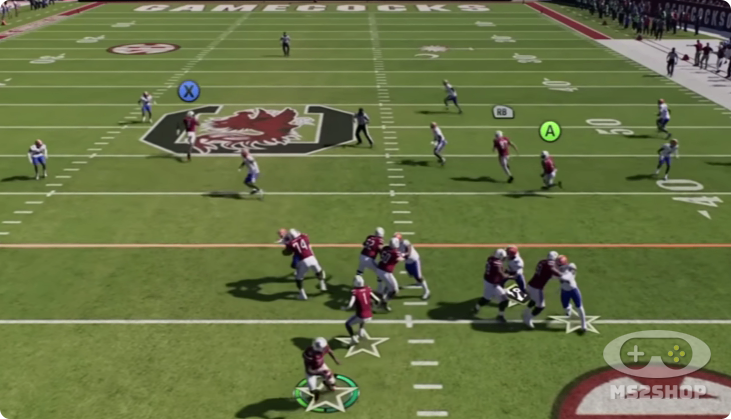
1. Spamming Deep Bombs Every Drive
For a long time, many players could rely on throwing deep passes repeatedly and eventually connecting on a game-changing touchdown. Fast receivers often outran defenders, and aggressive catches frequently bailed quarterbacks out of poor decisions.
Why It Doesn't Work Now
Recent gameplay tuning has improved:
Defensive back reactions
Deep coverage awareness
Ball tracking mechanics
Safety positioning
Defenders are now much better at recognizing vertical routes and contesting passes downfield.
What to Do Instead
Build your offense around:
Short and intermediate passing
Play-action concepts
Route combinations
Timing-based throws
A balanced attack forces defenses to respect every level of the field rather than simply defending the deep ball.
2. Constant QB Rollouts
Many players previously escaped pressure by sprinting outside the pocket immediately after the snap. Mobile quarterbacks could easily extend plays and create easy throwing lanes.
Why It Doesn't Work Now
Edge defenders contain more effectively, and defensive pursuit angles have been improved.
As a result:
Rollouts develop more slowly
Defenders close gaps faster
Throwing on the run is less forgiving
Repeatedly drifting outside the pocket often leads directly into sacks.
Better Alternative
Stay within the pocket whenever possible.
Focus on:
Reading progressions
Stepping up against pressure
Using designed bootlegs sparingly
Smart pocket movement is now far more valuable than constant scrambling.
3. Overusing Man Coverage
Man coverage has traditionally been one of the most popular defensive approaches because it allows aggressive blitzing and tight coverage.
Why It Has Become Riskier
Improved route running and receiver separation make it easier for skilled opponents to exploit man coverage.
Certain route combinations can consistently create openings against defenders left on islands. Having plenty of CUT 26 Coins will be a great help to you.
What Works Better
Mix your coverages frequently:
Cover 3
Match concepts
Cover 4
Zone blitz packages
Changing defensive looks prevents opponents from identifying predictable tendencies.
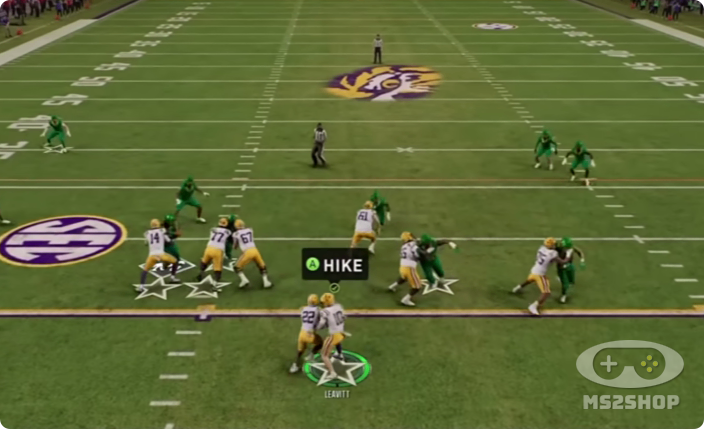
4. Running the Same Meta Play Repeatedly
Every football game develops a handful of "money plays" that seem impossible to stop. In previous versions, players could often build entire offenses around just a few formations.
Why This Strategy Fails
Adaptive AI and experienced opponents quickly recognize patterns.
Once your tendencies become obvious:
Defenders jump routes
Blitzes target predictable weaknesses
Coverage adjustments neutralize favorite concepts
Modern Offensive Approach
Use variety.
Rotate between:
Inside runs
Outside runs
Screens
RPOs
Play-action
Shot plays
The more unpredictable your offense becomes, the harder it is to defend.
5. Ignoring the Running Game
Many players prefer pass-heavy offenses because they generate explosive plays quickly. However, abandoning the run entirely has become a major mistake.
Why Running Matters More Now
Defensive adjustments are increasingly effective against one-dimensional offenses.
A successful running game helps:
Control the clock
Set up play-action
Force defensive adjustments
Reduce pressure on your quarterback
Build a Balanced Attack
Even if passing remains your primary focus, establishing the run keeps defenses honest and opens opportunities later in the game.
A balanced offense consistently outperforms pass-only strategies against strong competition.
How to Adapt and Win in College Football 27
The biggest takeaway from the latest gameplay changes is that College Football 27 rewards football fundamentals more than ever before.
Successful players are focusing on:
Balanced Offense
Mixing runs and passes keeps defenses guessing.
Smart Decision-Making
Avoid forcing deep throws into coverage.
Defensive Flexibility
Use multiple coverages instead of relying on a single scheme.
Pocket Awareness
Navigate pressure rather than immediately scrambling.
Unpredictability
Keep opponents guessing throughout the game.
Final Thoughts
The meta in College Football 27 continues to evolve, but one thing is clear: many of the shortcuts and exploits that worked previously are no longer reliable. Deep-ball spam, constant rollouts, repetitive play calling, and one-dimensional offenses have all become significantly less effective.
Players who embrace a more balanced, strategic approach will find far greater success both online and offline. Learning to adapt to these changes may take some time, but doing so will give you a major advantage as the College Football 27 competitive scene continues to develop.
Master these adjustments now, and you'll be well prepared for whatever the next update brings.