
How to Stop Speed Flats in Madden 26 Using Zone Drop Adjustments
In Madden NFL 26, defending speed flat routes is one of the most persistent problems on the defensive side of the ball, and some players even look for ways to buy Madden 26 coins to experiment with different defensive setups. Even when you call the correct coverage and assign hard flats, slot defenders and outside linebackers often fail to widen quickly enough, especially against compressed formations or spacing concepts that stress horizontal leverage. The root issue is what players commonly refer to as zone affinity-the game’s tendency for zone defenders to “split the difference” between multiple nearby threats instead of committing to the flat.
This guide breaks down how to eliminate that behavior using two practical adjustments that fundamentally change how flat defenders behave in coverage.
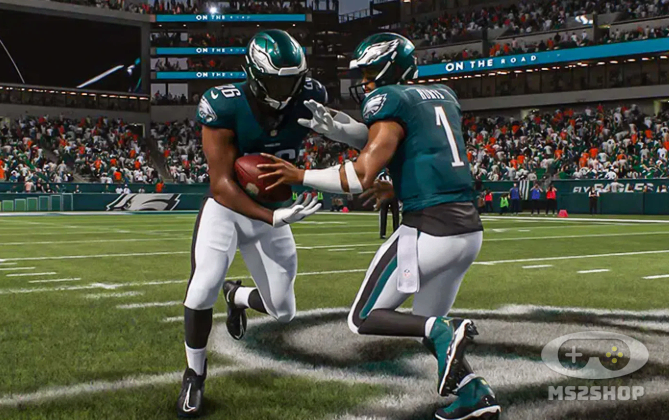
Understanding the Problem: Zone Affinity in Flats
In standard zone coverage within Madden NFL 26, defenders are not strictly assigned to fixed coordinates. Instead, they react dynamically to route distribution. When a running back leaks into the flat while a receiver runs a nearby slant or spacing route, the flat defender often hesitates or drifts inside. This creates the exact window players exploit with speed tables, quick outs, and bubble-style concepts.
Even when you shade down into hard flats, the defender may still:
· Drift inside due to slants or interior spacing routes
· Hesitate between two eligible threats
· Arrive late to the sideline, allowing easy completions
This is why traditional “shade down” adjustments often feel inconsistent against high-level offensive players.
Method 1: Manual Zone Stemming (Hard Reset Behavior)
The first solution is a manual override of zone logic using custom alignment behavior. This method effectively removes the defender’s decision-making between multiple routes and forces a fixed landmark in the flat.
How to set it up:
· Call your coverage (example: Cover 4 or quarters shell)
· Identify your flat defender (slot corner or outside linebacker)
· Select the player and manually adjust their alignment using zone adjustments
· Stagger their positioning toward the flat landmark before the snap
The key idea here is not simply “assigning a flat,” but forcing a spatial commitment. By pre-aligning the defender wider and flatter, you reduce the game’s tendency to pull them inside on snap reaction.
Why it works:
· Removes ambiguity between slant and flat threats
· Forces immediate outside leverage on snap
· Improves response time to quick throws
However, this method is labor-intensive. It must be repeated frequently and can disrupt pre-snap flow if used excessively.
Method 2: Zone Drops to Disable Affinity Logic
The second and more powerful solution uses zone drop customization to override default zone behavior entirely. When zone drops are activated, defenders shift from reactive pathing to area-based landmark defense, which significantly reduces zone affinity effects.
Setup steps:
· Open coaching adjustments
· Assign custom zone drop values (commonly 20–25 yards for curl/flat or purple zones)
· Apply hard flats or curl flats normally within your coverage shell
Once zone drops are active, flat defenders no longer “hunt” between multiple routes. Instead, they travel to a predefined spatial zone and settle.
What changes mechanically:
· Flat defenders commit directly to the sideline landmark
· Reduced inside drift against slants and drags
· Cleaner leverage against speed outs and table routes
This creates more predictable defensive behavior, especially against formations that rely on compressed spacing.
Strategic Tradeoffs
While zone drops significantly improve flat integrity, they introduce a secondary consideration: intermediate space coverage. Hook curl defenders may sit at shallow depths, which can open windows for digs, posts, and crossers if not accounted for.
To mitigate this:
· Assign a safety or linebacker to deeper purple responsibility
· Mix between curl-flat and hard-flat usage based on offensive tendencies
· Use switch-stick control to manually close intermediate lanes when needed
This turns your defense into a layered system rather than a single static shell.
Practical Application
Against common offensive structures—such as bunch, tight doubles, and spread formations-this approach dramatically reduces the effectiveness of quick flat concepts. The key improvement is not just speed, but trajectory certainty. Your defenders no longer hesitate between multiple routes; they immediately widen or hold landmarks.
This forces opponents to progress deeper into their read progression rather than relying on immediate sideline access throws.
Conclusion
Defending flats in Madden NFL 26 is less about calling the correct coverage and more about eliminating zone ambiguity, especially when managing resources such as cheap mut 26 coins. By either manually stemming defenders or activating zone drop logic, you remove zone affinity and force defenders into decisive spatial behavior.
When applied correctly, these adjustments turn vulnerable flat zones into stable perimeter control points-neutralizing one of the most common quick-game offensive exploits in the current meta.