
Nobody Could Beat This Defense in College Football 26
Finding a defense that consistently shuts down opponents in College Football 26 is no easy task. Most players spend their time searching for unstoppable offensive schemes, but every now and then a defensive setup comes along that completely changes the game. After testing countless formations and adjustments, I finally found a defensive system that feels almost unfair when used correctly.
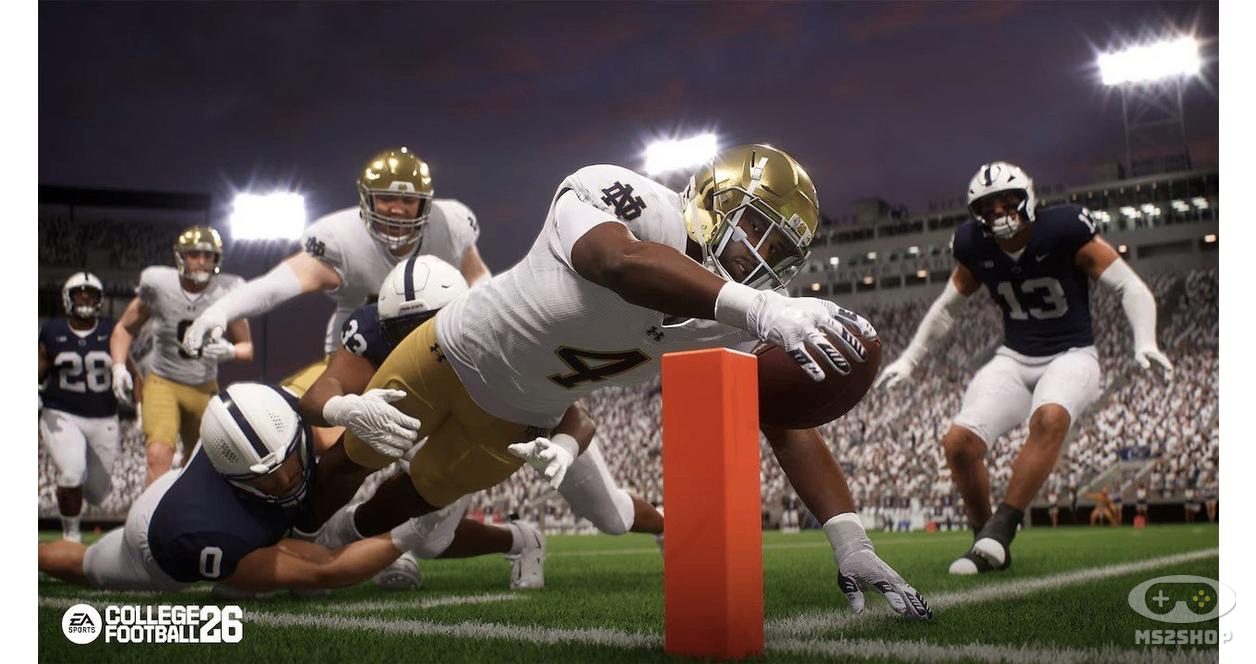
The best part? It isn't some complicated setup that requires fifty adjustments before every snap. It's a simple approach built around smart safety usage, aggressive coverage, and forcing opponents into terrible decisions.
And throughout multiple games, it delivered exactly that: interception after interception.
The Defense Started With a Pick
The very first play of the game set the tone.
My opponent dropped back, stared down his receiver, and fired a pass directly into coverage. Before he could even react, the ball was in my defender's hands heading the other direction.
An interception on the opening snap.
That's when I knew this defensive setup was going to be fun.
The defense was constantly baiting opponents into risky throws. Every time they thought they saw an opening, a lurking defender was waiting underneath. What should have been routine completions quickly became turnovers.
And the interceptions kept coming.
Why Usering a Safety Changes Everything
The biggest lesson from these games wasn't about blitzes or exotic coverages. It was about one position: safety.
Far too many players stay glued to linebackers when defending the run. While that can work occasionally, it often leaves you vulnerable against modern offenses loaded with option plays, RPOs, and misdirection.
By bringing a safety down into the box and controlling him manually, everything changes.
Suddenly, outside runs become much easier to contain.
RPOs lose their effectiveness.
Quarterbacks have less room to scramble.
Most importantly, you gain an extra defender near the line of scrimmage without completely sacrificing deep coverage.
Time and time again, the safety was the player making the key tackle. Even when I wasn't directly controlling him, simply moving him into position before the snap created huge defensive advantages.
If you're struggling against run-heavy opponents, this adjustment alone can transform your defense.
Punishing Bad Reads
One philosophy guided every defensive snap:
Bad reads should have consequences.
Too often in football games, players get away with throwing directly into coverage. They force passes into tight windows and somehow escape without punishment.
Not against this defense.
Whenever my opponent tried to test coverage, defenders were waiting.
One pass over the middle?
Interception.
A late throw toward the sideline?
Nearly picked.
A risky deep shot?
Another turnover opportunity.
The defense constantly rewarded discipline and positioning. Instead of relying on random outcomes, it consistently put defenders in position to make plays on the football.
And when opponents started realizing their favorite throws weren't available, frustration quickly followed.
The Turbo Offense Creates Extra Pressure
While the defense stole the spotlight, the offense helped create favorable situations.
Using the Turbo system allowed drives to move at an incredible pace. Quick snaps prevented opponents from making adjustments and often forced them into predictable defensive calls.
That created a perfect combination.
The offense scored efficiently, forcing opponents to throw more often.
The defense then capitalized on those passing situations.
It became a cycle:
Score quickly.
Force aggressive passing.
Generate turnovers.
Repeat.
By the second half of several games, opponents were practically begging for big plays. That's exactly when the defense became most dangerous.
Shutting Down the Run Game
One of the most impressive aspects of the scheme was how well it handled rushing attacks.
Whenever opponents attempted to establish the ground game, the defense responded immediately.
Running backs found little room to operate.
Option plays were contained.
Quarterback keepers rarely escaped the edge.
The key once again came back to safety positioning. Bringing an extra defender closer to the line allowed the defense to attack running lanes before they fully developed.
Several times opponents continued running the ball despite getting stuffed repeatedly.
Each failed rushing attempt only made them more predictable.
And predictable offenses are easy to stop.
Creating Turnovers Through Pressure
Interestingly, this defense wasn't generating turnovers through constant blitzing.
Instead, it relied on confusion.
Coverage disguises forced quarterbacks to hesitate.
User-controlled defenders took away primary reads.
Safeties drifted into throwing lanes at the perfect moment.
The result was a steady stream of mistakes.
One quarterback repeatedly attacked the same area of the field despite getting punished for it. Eventually, another throw floated toward the middle and was immediately intercepted. A large number of CUT 26 Coins can be of great help to you.
Another opponent tried forcing deep passes against tight coverage.
The outcome was the same.
Turnover after turnover.
The defense wasn't simply stopping drives—it was ending them instantly.
Opponents Couldn't Handle the Pressure
One of the funniest moments came when matchmaking repeatedly paired me against the same player.
Instead of playing the game, he quit.
Then we matched again.
He quit again.
Then it happened a third time.
At that point, it became clear that some players simply wanted no part of dealing with this defense.
And honestly, it wasn't hard to understand why.
Every drive felt like walking through a minefield. One mistake could instantly become six points going the other direction.
When a defense creates that level of pressure, opponents start forcing plays they normally wouldn't attempt.
That's when the turnovers really begin piling up.
The Secret to Becoming Unstoppable
The biggest takeaway from these games is that great defense isn't about memorizing hundreds of adjustments.
It's about understanding leverage, positioning, and user control.
By utilizing a safety near the box, disguising coverages, and remaining disciplined against both the run and pass, this defensive setup consistently generated stops against a wide variety of offenses.
More importantly, it created turnovers at an absurd rate.
Opponents could move the ball occasionally. They could complete a pass here and there.
But eventually they made a mistake.
And when they did, this defense made them pay.
That's why it feels nearly unbeatable.
Not because every play is perfect, but because it constantly puts opponents in situations where one bad decision can change the entire game. In College Football 26, that's often all a great defense needs.